
Return to Ratnagiri & Social Reform
- Home
- Social Reform
Political Restrictions After Release
After years of harsh imprisonment in the Cellular Jail, Vinayak Damodar Savarkar was released under strict conditions by the British colonial authorities and relocated to Ratnagiri in Maharashtra. Although he regained limited freedom, he remained under close surveillance and was prohibited from participating in active political movements. Despite these restrictions, Savarkar shifted his focus toward social and cultural reform within society. He believed that strengthening social unity and eliminating internal divisions were essential for building a strong nation. During this period, he dedicated his efforts to addressing issues such as caste discrimination and social inequality. Ratnagiri became a center for his reform activities, where he worked to inspire people through lectures, writings, and community initiatives aimed at promoting national unity and social progress.
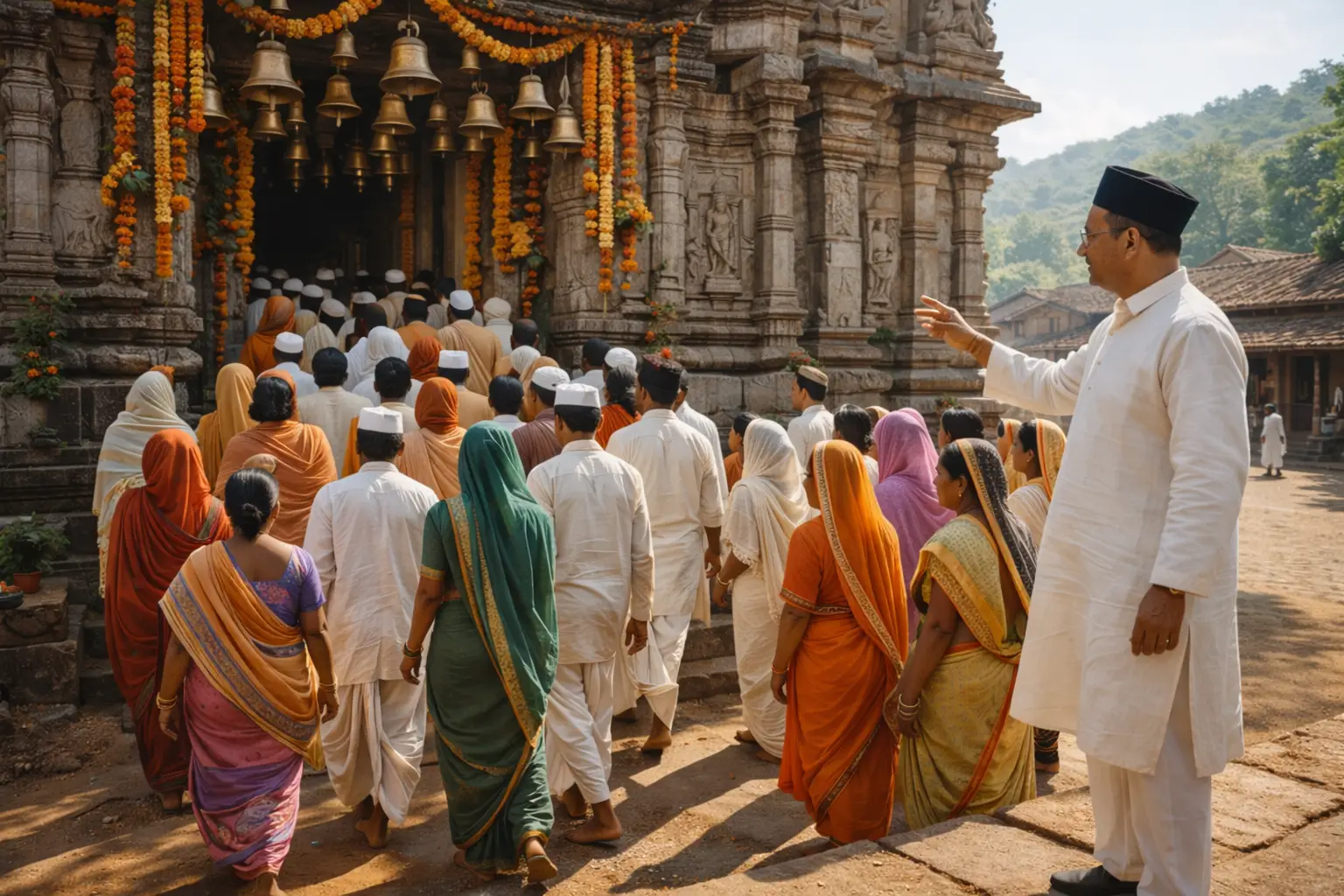
Savarkar strongly advocated the removal of untouchability and worked toward creating a more inclusive society. He encouraged social interaction among different communities and promoted the idea that national unity must rise above caste barriers. One of his most significant initiatives during this period was supporting temple entry for all sections of society, an idea considered progressive at the time. Through speeches, essays, and local activism, he urged people to adopt a broader understanding of social equality and national identity. He also promoted education and cultural awareness as tools for reform. By focusing on these social issues, Savarkar attempted to strengthen the moral and cultural foundations of Indian society, believing that true independence required internal reform as much as political freedom.
While living in Ratnagiri, Savarkar continued writing extensively on political philosophy, history, and cultural identity. His works explored themes of nationalism, unity, and the future direction of Indian society. Although the colonial government restricted his direct involvement in politics, his ideas continued to influence public debate and intellectual circles. Visitors, supporters, and thinkers often engaged with him to discuss national issues and social transformation. Ratnagiri thus became a significant chapter in his life, marking a transition from revolutionary activism to social reform and ideological development. Through his writings and initiatives, Savarkar sought to prepare society for a stronger and more unified national future.
Hindu Unity Movement
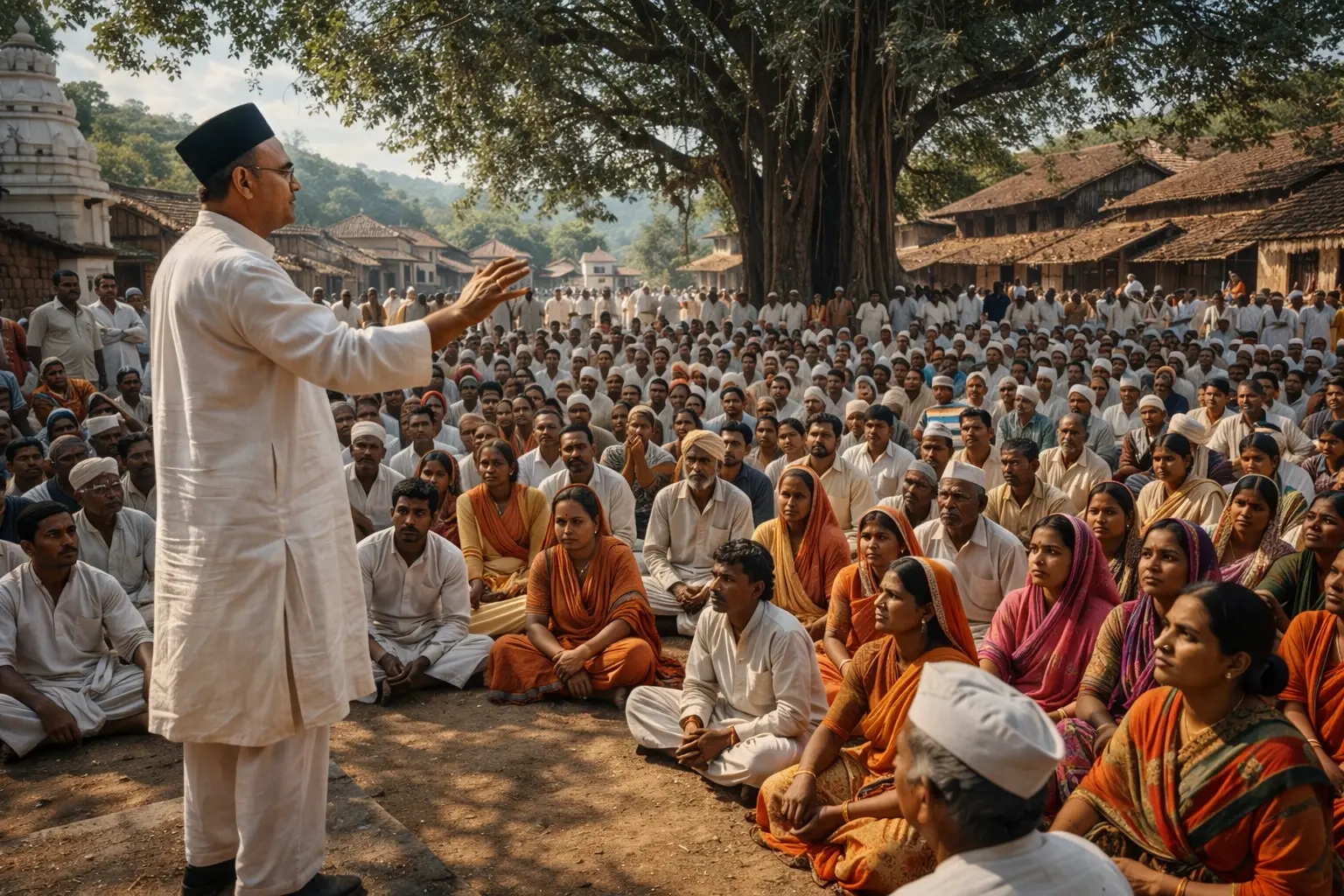
Temple Entry Reform and Anti-Untouchability Movement
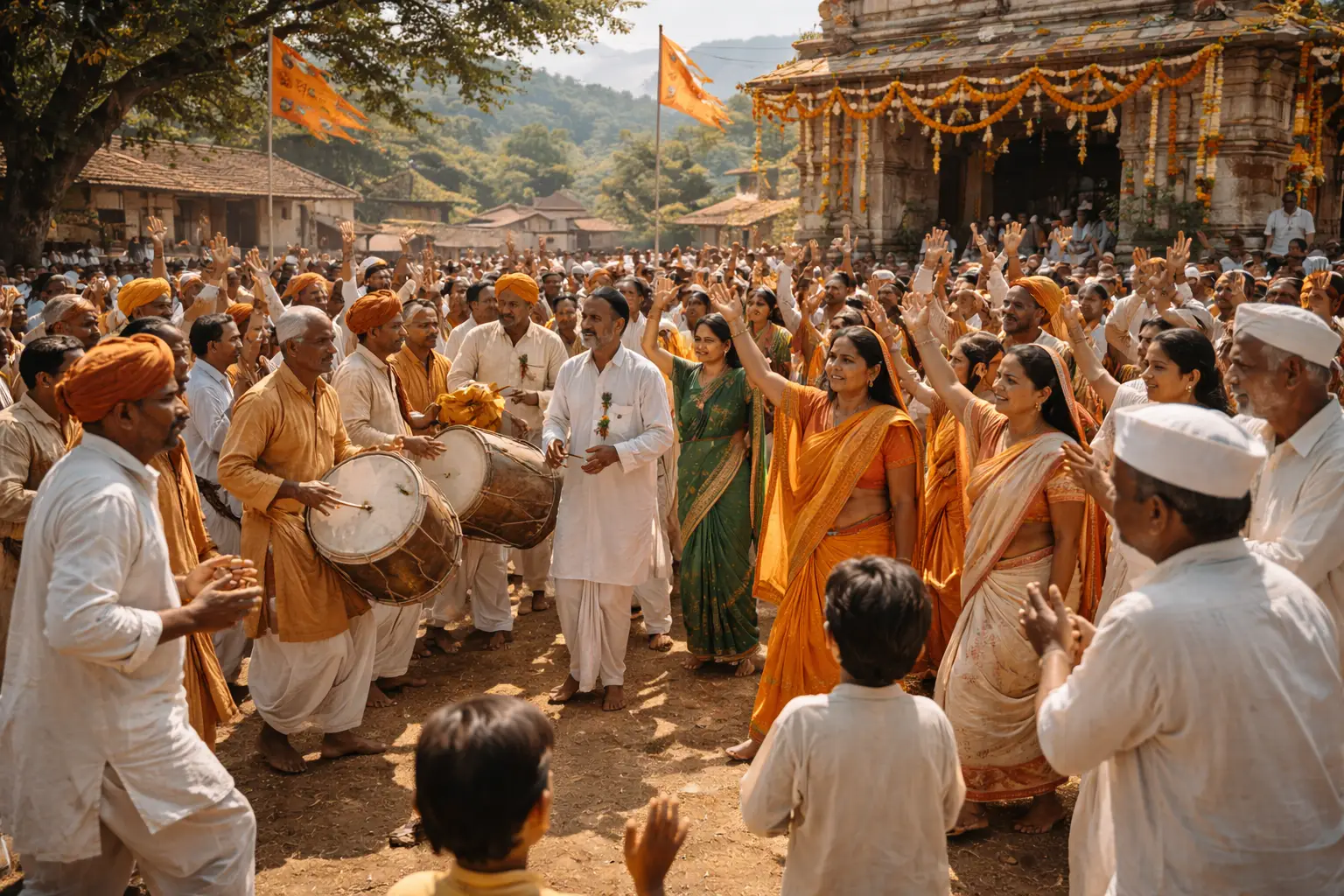
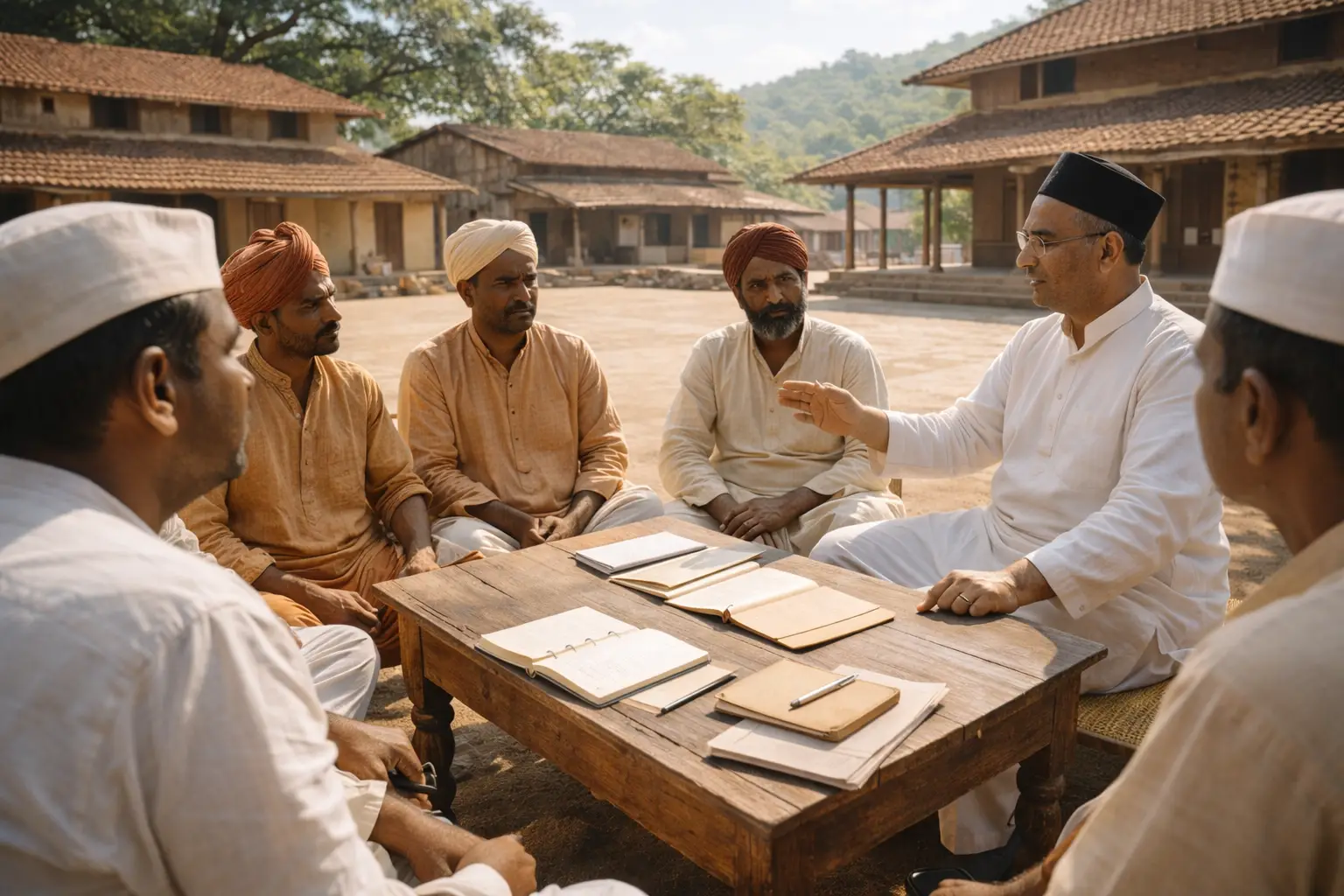
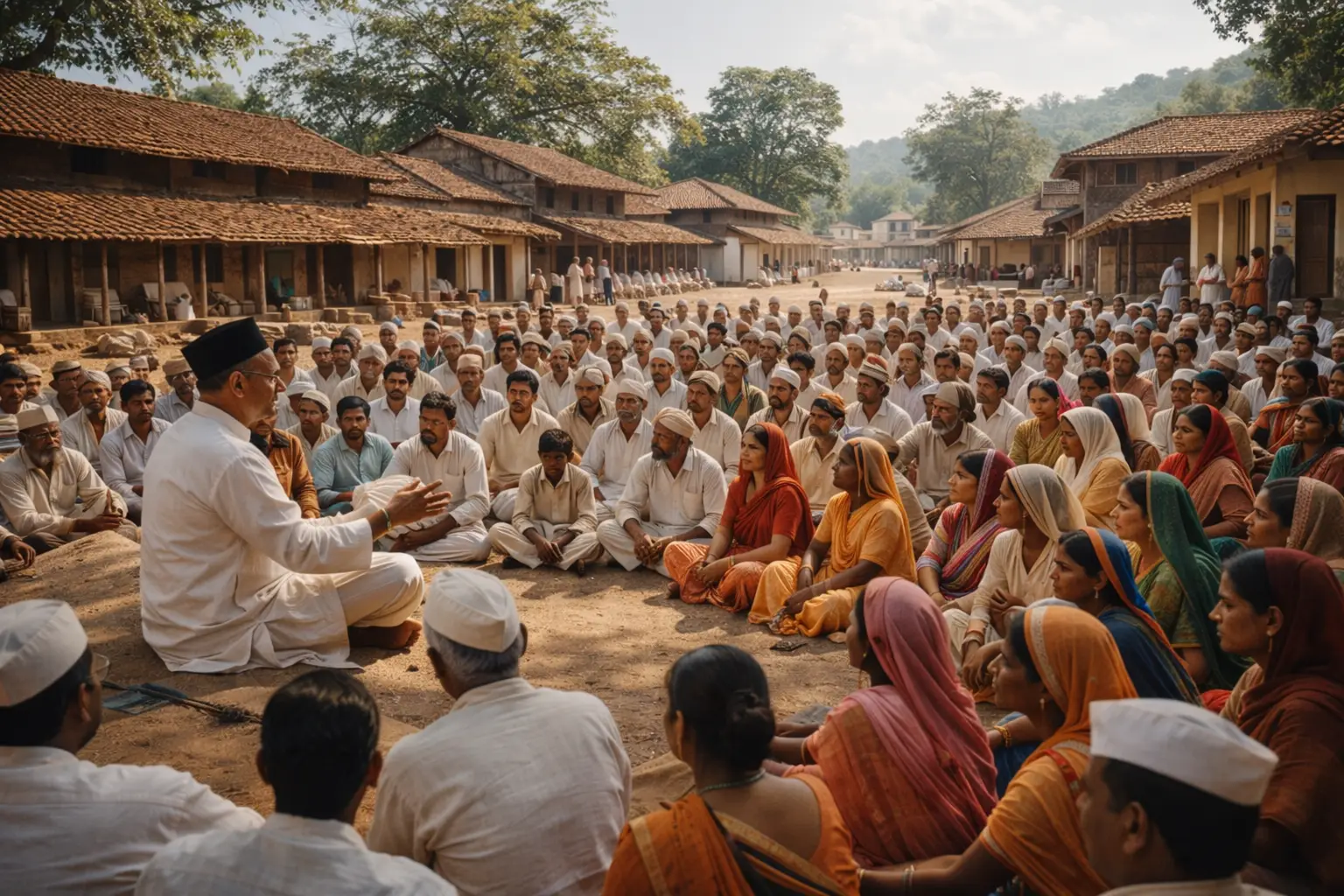
Vinayak Damodar Savarkar actively promoted social reform during his years in Ratnagiri by campaigning against untouchability and advocating equal access to temples for all sections of Hindu society. He believed that internal social divisions weakened national unity and that true freedom required equality and dignity for every individual. Savarkar encouraged communities to allow people of different castes to enter temples and participate in religious practices together. Through meetings, public discussions, and social initiatives, he worked to challenge discriminatory customs. His efforts aimed to build a more unified society where spiritual spaces were open to all.
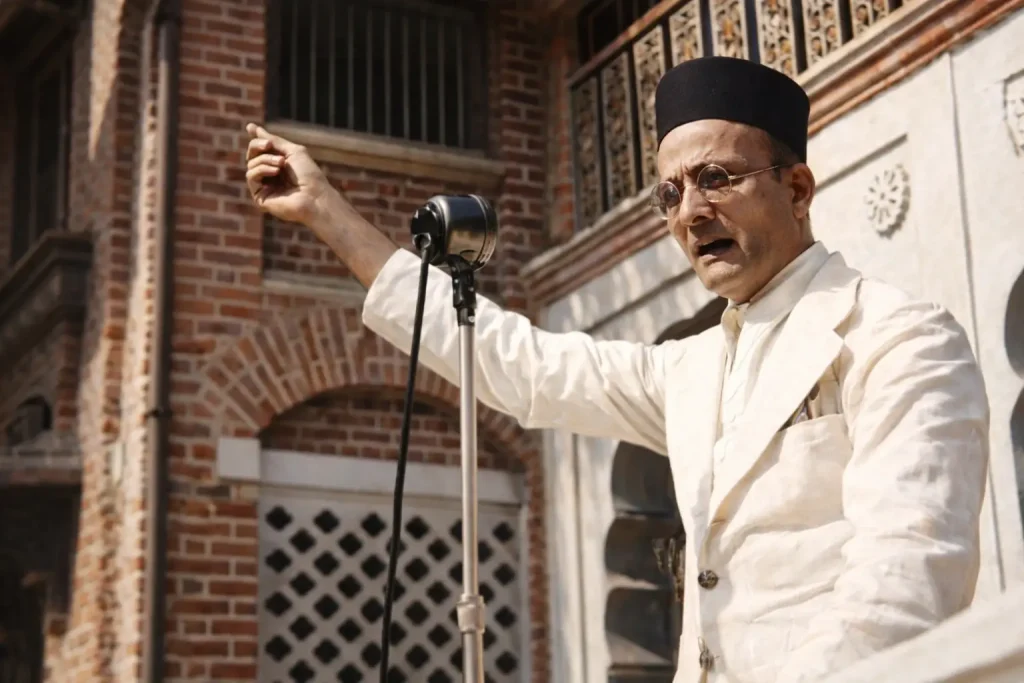
Inspiration for Future Revolutionaries
Reformist Ideas
Vinayak Damodar Savarkar wrote extensively advocating social equality, unity, and reform within Hindu society to strengthen national identity.
Untouchability
His writings strongly opposed untouchability, urging society to remove caste discrimination and promote dignity for every individual.
Cultural Unity
Savarkar emphasized cultural unity and shared heritage, encouraging collective responsibility for building a stronger, united nation.