
Modern Relevance & Continuing Influence
- Home
- Modern Relevance & Continuing Influence
Continuing Influence
Nearly six decades after Savarkar’s death, his ideological contributions and political philosophy continue to shape Indian discourse. His ideas on nationalism, political organization, and cultural identity remain relevant to contemporary debates about national identity, governance, and social organization in modern India.
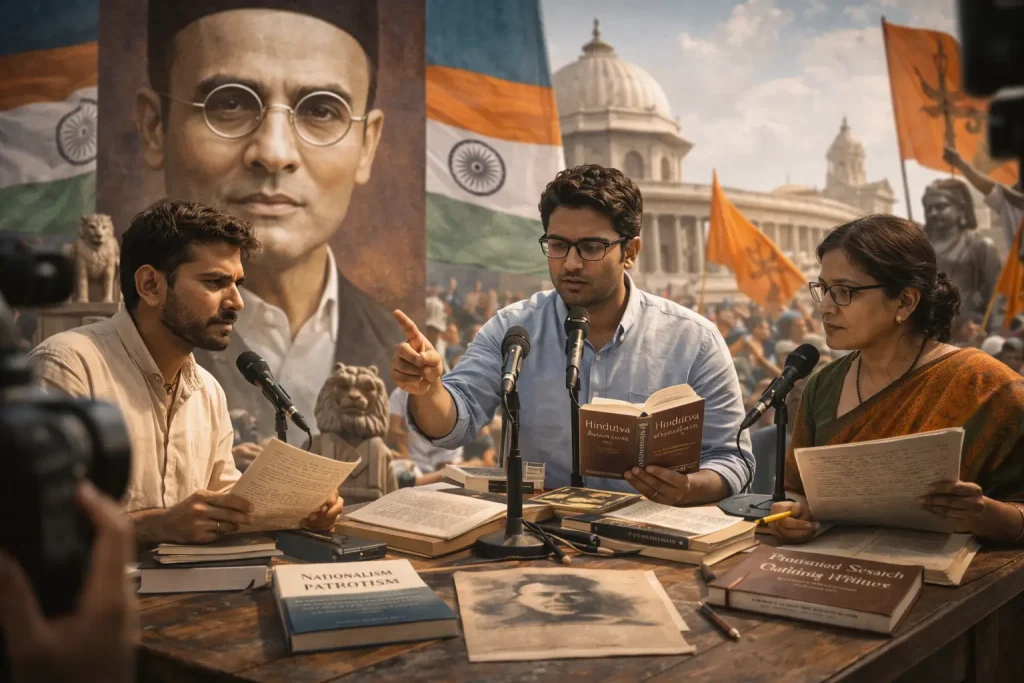
National Identity
Savarkar's conceptualization of Hindu civilization and national identity continues to influence discourse on Indian nationalism and cultural consciousness
Political Organization
His strategies of political organization and mass mobilization remain studied by political strategists and party organizers
Community Mobilization
Concepts of organized social and political action continue to resonate in contemporary political movements
Ideological Debates
Hindutva as a civilizational concept remains central to contemporary discussions on nationalism and secular governance
Influence on Political Movements
Savarkar’s ideological framework has influenced various political movements and organizations. From the Hindu Mahasabha to contemporary political formations, his concepts of organized nationalism and cultural mobilization continue to provide ideological and strategic templates.
Organizational Strategy
- Mass mobilization techniques
- Cadre-based organization models
- Cultural and ideological training
- Strategic communication methods
Organizational Strategy
- Mass mobilization techniques
- Cadre-based organization models
- Cultural and ideological training
- Strategic communication methods
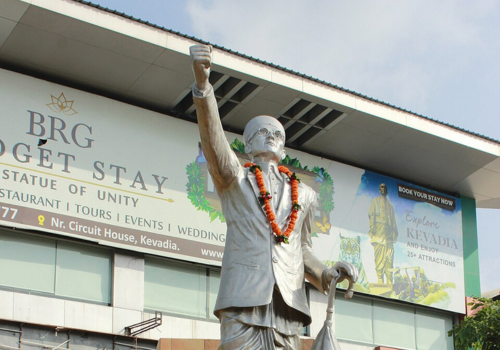
Nationalism & Cultural Identity
Savarkar’s ideas on Hindu nationalism and cultural identity remain central to contemporary debates about India’s national identity, the place of religion in politics, and the definition of Indian civilization.
Political Organization
His strategies of political organization and mass mobilization continue to influence contemporary political movements and party structures, with his methods studied by both academics and practitioners.
Historical Interpretation
Savarkar’s reinterpretation of Indian history, particularly his analysis of the 1857 uprising and Hindu civilization, continues to shape historical discourse and remains subject to scholarly debate.
Secularism & Religion in Politics
His conceptualization of cultural nationalism separate from religious identity remains relevant to contemporary discussions on secularism, pluralism, and the role of religion in democratic politics.