Vinayak Damodar Savarkar endured harsh imprisonment in the Cellular Jail, facing isolation, forced labor, and strict discipline, yet continued writing, reflecting, and inspiring resilience among fellow prisoners.
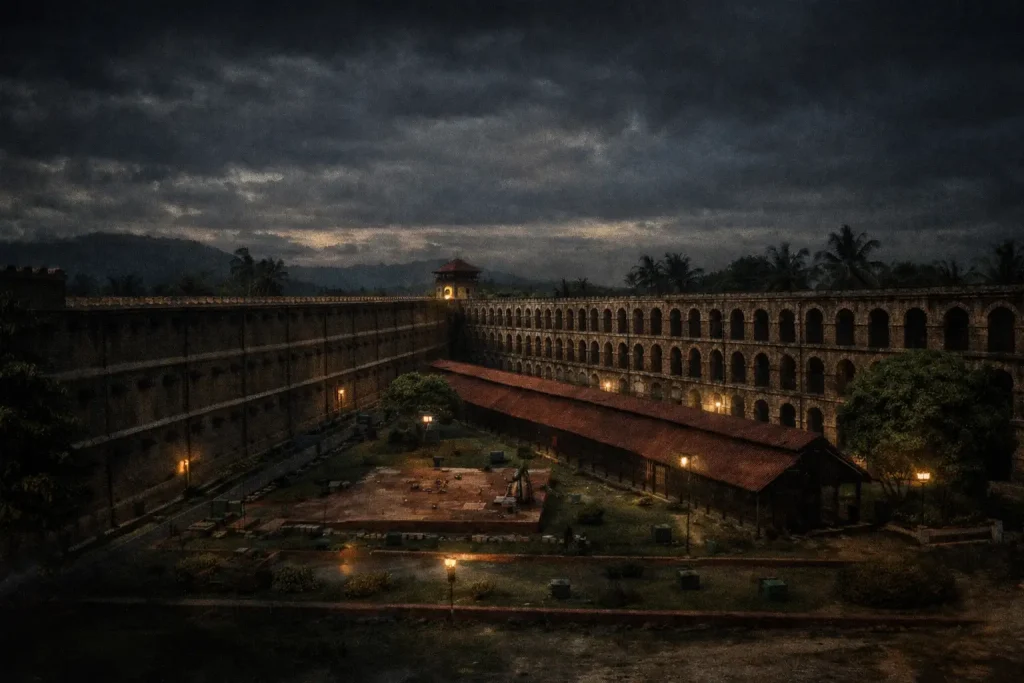
Cellular Jail (Kala Pani)
Savarkar endured brutal imprisonment in Andaman’s Cellular Jail, facing forced labor, isolation, and strict colonial punishment.
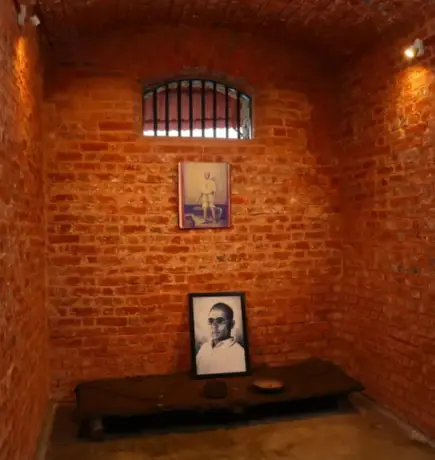
Solitary Confinement
Savarkar lived in isolation under strict surveillance, enduring hardship while reflecting on nationalism and inspiring prisoners.
Brutal Punishments and Prison Hardships
During his imprisonment in the Cellular Jail, Vinayak Damodar Savarkar endured extremely harsh and inhuman conditions imposed by the colonial prison system. Political prisoners were subjected to solitary confinement, exhausting physical labor, and strict surveillance designed to break their morale. Prisoners were often forced to work long hours crushing coconut husks or turning heavy oil mills under severe supervision. Communication with fellow inmates was restricted, and punishments were severe for even minor resistance. Despite these brutal hardships, Savarkar remained mentally resilient, using his time in confinement to reflect, write poetry, and strengthen his commitment to India’s freedom struggle. His endurance became a powerful symbol of sacrifice and determination among revolutionaries.
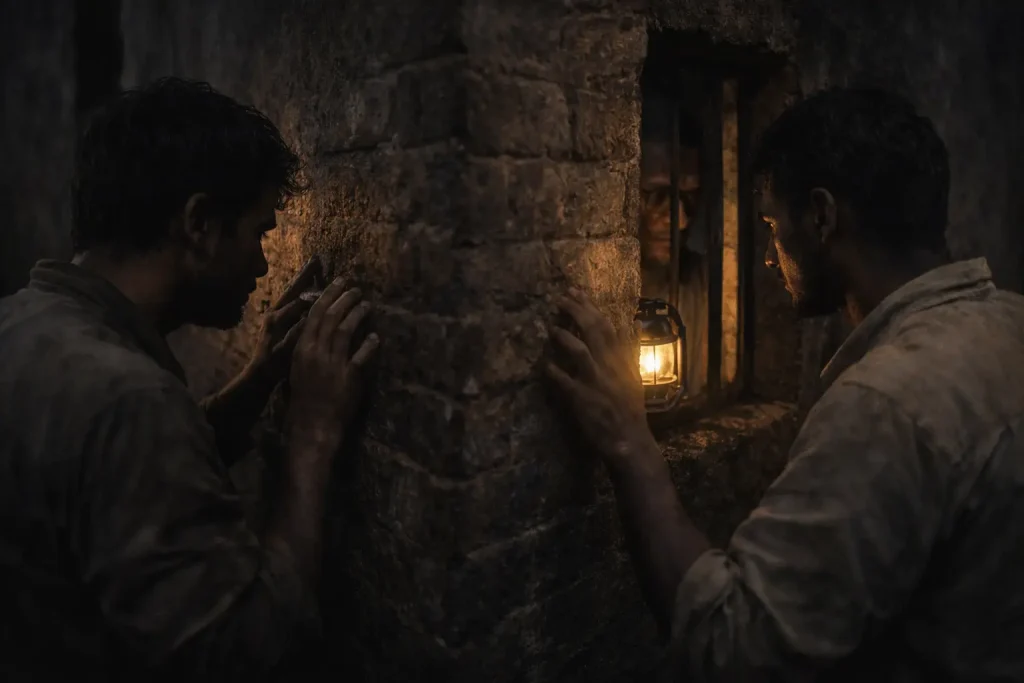
Secret Communication with Fellow Prisoners
Despite strict surveillance in the Cellular Jail, Vinayak Damodar Savarkar managed to maintain contact with his brother Ganesh Damodar Savarkar and other political prisoners. Since direct communication was forbidden, they developed creative and secret methods to share messages. Prisoners often tapped coded signals on the prison walls, passed notes discreetly, or communicated during rare work assignments. These exchanges strengthened their morale and helped them continue discussing ideas about freedom, resistance, and national unity despite the harsh isolation imposed by the colonial prison authorities.
Heroism, Clemency Petitions, and Historical Debate
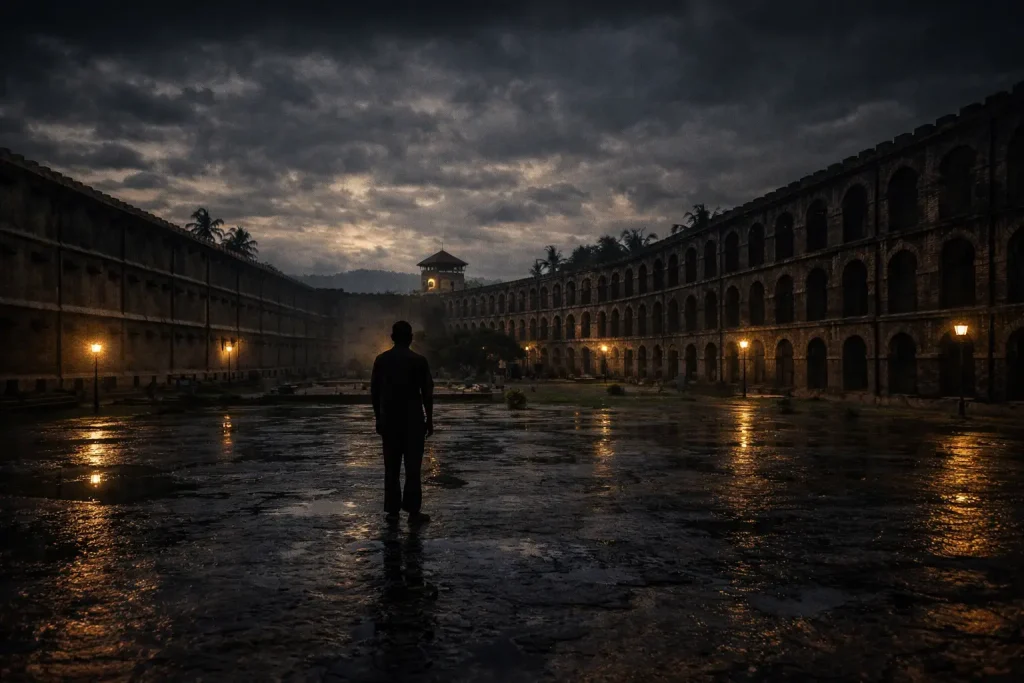
Resistance
Vinayak Damodar Savarkar endured harsh imprisonment yet remained committed to nationalist ideals and inspiring fellow freedom fighters.
Clemency Petitions
Savarkar submitted mercy petitions during imprisonment, seeking relief while continuing intellectual and political engagement with India’s freedom movement.
Historical Debate
Historians continue debating the context, intention, and interpretation of Savarkar’s petitions within India’s complex freedom struggle history.